


Description
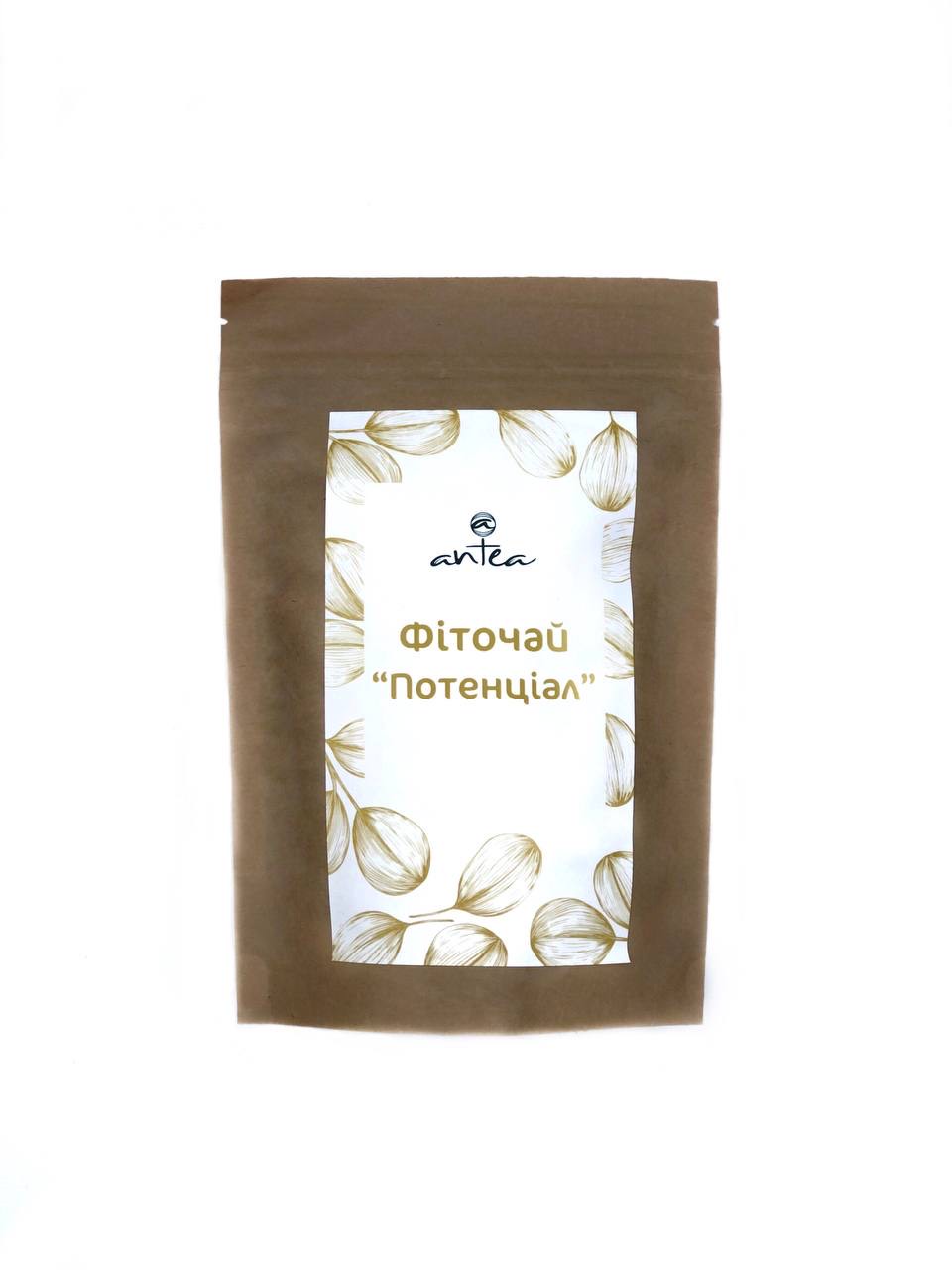
The herbal tea «Потенціал-АНТЕА» / «Potential-ANTEA» contributes to the normalization of the functioning of the genitourinary system in men and of metabolism. It exhibits restorative and tonic action.
Indications: Prostatitis, prostate adenoma, impotence on the background of physical fatigue, male infertility, premature ejaculation, painful urination and erection, frequent pollutions, inflammation of the kidneys and bladder, bladder stones.
Preparations of hazel in folk medicine are widely used in acute and chronic prostatitis, prostate adenoma, liver and kidney diseases, as well as an appetite stimulant; for the treatment of intestinal diseases, anemia, avitaminoses. Experimental data indicate the presence in the leaves of common hazel capillary-strengthening, anticoagulant, membrane-stabilizing and anti-inflammatory activities.
Birch leaves are taken orally as a diuretic, which have a positive effect on metabolism in the body. Its alcohol tinctures are used in chronic inflammatory processes of the bladder, urolithiasis and chronic kidney disease. Infusion of young birch leaves is taken as a diuretic in albuminuria. In folk medicine of different countries, birch leaves in the form of decoctions and tinctures are widely used in diseases of the bladder, urolithiasis, nephropathy. In a mixture with other plants, birch is administered for prostate adenoma, male infertility, chronic glomerulonephritis, urinary retention, as well as prostatitis, cystitis and as a tonic for spring weakness.
Walnut leaves have wound healing, antimicrobial and anti-inflammatory effects.
The use of pot marigold is due to its antiseptic, anti-inflammatory, antispasmodic and wound-healing effects. In folk medicine, calendula tincture is used for condyloma of the urethra and bladder. Microclysters with infusion of inflorescences are applied for coliculitis. In a mixture with other plants, calendula flowers are used for prostate atony on the background of chronic prostatitis, male infertility, impotence, frequent pollution, priapism, acute prostatitis, prostate cancer and premature ejaculation. Preparations from pot marigold flowers are useful to take orally as a good diuretic and diaphoretic remedy, especially for urinary and gallstones; they work well as a urinary cleanser (detoxifier) in salt diathesis. Lycopene, present in calendula flowers, reduces 5-reductase and cell proliferation, activates apoptosis, has anti-inflammatory and antioxidant effects.
Althaea (marshmallow) is widely used in traditional Iranian medicine in the treatment of dysuria. A clinical study demonstrated the effectiveness of the plant in combined treatment with radiotherapy in reducing urological symptoms in patients with prostate adenocarcinoma.
Sage leaves have anti-inflammatory, estrogenic, astringent, hemostatic, antimicrobial, emollient, disinfectant, analgesic, diuretic effects; and are used for prostate adenoma, vesiculitis, painful erections, impotence, prostatitis. Quite effective treatment of acute and chronic prostatitis comprise microclysters with a warm decoction of sage leaves.
Various raw organs of Echinacea purpurea stimulate immunity, CNS and male potency, show anti-inflammatory activity. Echinacea is used for prostatitis, prostate adenoma, cystitis and nephritis.
Reviews
There are no reviews yet.